

Federal Habeas vs. State Post-Conviction: Which Relief Path Gets Results Faster?
Federal habeas corpus and state post-conviction relief are not interchangeable. Learn which path moves faster, which comes first, and why.

Compassionate Release After Rutherford and Fernandez: What Still Qualifies in 2026?
Compassionate Release After Rutherford and Fernandez: What Still Qualifies in 2026. How the Supreme Court's May 2026 rulings reshaped federal sentence reductions under 18 U.S.C. 3582(c)(1)(A)

Constructive Discharge in Tennessee: When "Resign or Be Fired" Is Really a Termination
"Resign or be fired" is not a real choice. A new Adam Rodrigues Law victory confirms constructive discharge counts under the Tennessee Public Protection Act.

Ineffective Assistance of Counsel Examples: 6 Trial Errors That Win Post-Conviction Cases
Most ineffective assistance of counsel claims fail, but the few that win usually involve one of six specific trial errors. Here is what actually moves a court, what to document, and how the Strickland standard separates a winning claim from a losing one.

Tennessee Sentencing Appeals: When a Sentence Gets Reduced
Federal and Tennessee sentencing appeals don't fight the verdict, they fight the sentence itself. Knowing the deadlines, the case law, and the most appealable issues is the difference between a sentence that gets reduced and a window that quietly closes.

Denied Maternity Leave or Promotion After Pregnancy? That’s Illegal.
Pregnancy discrimination explained in Tennessee. You have rights under Title VII, PWFA, and TN law.
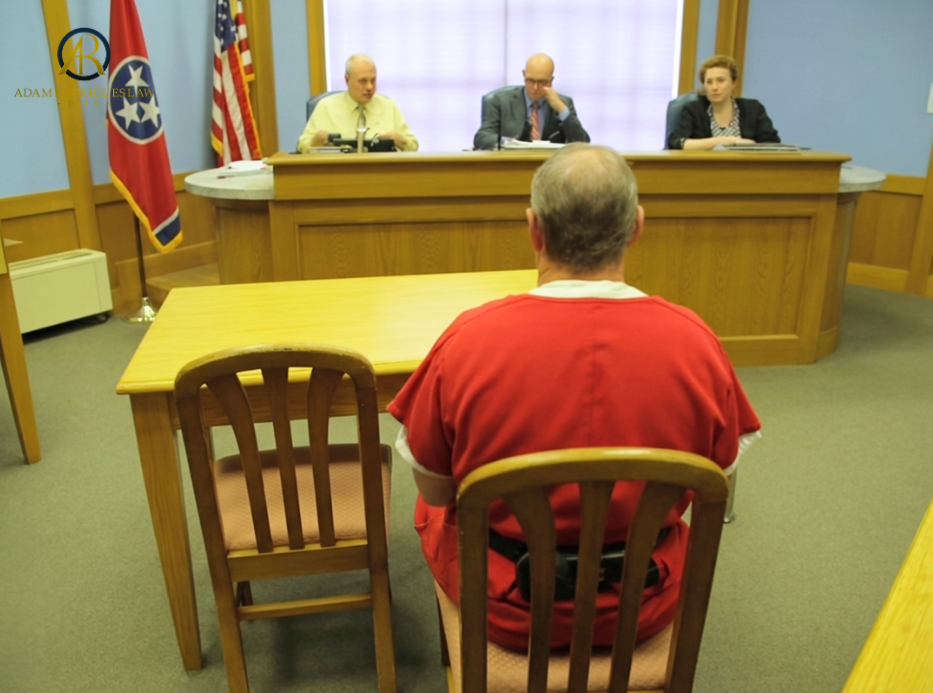
How to Prepare for Your Tennessee Parole Hearing
Preparing for parole hearing in Tennessee? Let Adam Rodrigues Law guide your strategy to maximize your chances of release and successful reentry.

Can New Evidence Reopen a Criminal Case?
Newly discovered evidence can reopen a criminal case, but strict deadlines and legal standards apply. Learn how Rule 33, § 2255, and state post-conviction options work so you can act strategically.

The 2026 Post-Conviction Relief Update
Between November and December 2025, the rules for post-conviction relief changed across federal court, North Carolina, and Tennessee. New deadlines now bar claims that once could be filed years later, while other long-closed doors have finally opened. This update explains what changed, when it changed, and why 2026 is the year timing matters most for anyone considering post-conviction relief.

What Does 'Employed At Will' Really Mean?
The phrase “Tennessee is an at-will employment state” can feel like the end of the road for employees who’ve been fired, demoted, or mistreated. Employers often use it as a shield to shut down questions or justify decisions that feel deeply unfair. But while “at-will” is the default rule, it is not an absolute one. The law draws a bright line: employers can act unfairly, but they cannot act illegally.
If your termination touches a protected category, involves retaliation, or violates clear public policy, the “at-will” defense doesn’t apply—and you may have a strong legal claim.

Case Study: Post-Conviction Breakthrough Frees Client 39 Months Early
When two lawyers said nothing could be done, Adam Rodrigues found a way. Discover how one attorney’s bold post-conviction strategy challenged federal sentencing conventions — freeing his client nearly 40 months early and redefining what justice can look like. Plus full video testimonial.

How Can a Lawyer Defend Someone They Know Is Guilty?
Guilty or not guilty? Really isn’t the question. Even after conviction, fairness matters. At Adam Rodrigues Law, we review cases for constitutional errors, ineffective counsel, and sentencing issues to ensure justice was done lawfully. Our post-conviction team fights for second chances and helps clients rebuild their lives with dignity and due process.

Can I Sue My Employer?
Whether you’re still working for your employer or were recently terminated, Tennessee law protects you from discrimination, retaliation, and wage theft. Learn when workplace mistreatment becomes illegal and how to take action before critical filing deadlines expire.

Debunking the Top 5 Myths About Post-Conviction Relief
Think you can’t appeal a guilty plea? Or that innocence alone wins? Adam Rodrigues debunks the top 5 most common myths about post-conviction relief. Read for a fast, factual, and actionable insights.

Clemency, Pardons & Expungement: Decoding Your Post‑Sentence Options
Clean-slate options, decoded: clemency, pardons, and expungement. What each does, when to use them, and how they affect immigration across Federal, Tennessee, and North Carolina. Book a confidential consult with Adam Rodrigues Law today.

Compassionate Release 2025: Who Qualifies, 924(c) & What’s Next
Compassionate release offers a second chance when extraordinary circumstances make a federal sentence unjust. In this guide, Adam Rodrigues Law explains the updated rules, Supreme Court decisions, and how families can start the process today.

14 or 30 Days? Don’t Miss Your Criminal Appeal Deadline (TN, NC & Federal)
Appeal deadlines move fast: 30 days in Tennessee, 14 in North Carolina and federal court. Learn timelines, pitfalls, and how to protect your rights—act now. Act within days, not weeks, to protect your rights—book an appellate strategy session today with Adam Rodrigues Law.

Habeas Corpus Explained
There's still one powerful tool left in your legal arsenal: habeas corpus. While it may sound like complicated legal jargon, this essential safeguard provides you with the opportunity to challenge the legality of your imprisonment. Knowing how habeas corpus works could be the turning point in your battle for freedom.

Post-Conviction Relief 101: Tennessee, North Carolina & Federal Rules Compared
Post-conviction relief can be the key to freedom after appeals have ended. In this guide, we break down how the rules, deadlines, and requirements differ in Tennessee, North Carolina, and federal court.